Leopard Gecko Tile
Setting up a habitat for a leopard gecko can be an exciting and rewarding experience for any reptile enthusiast. These fascinating little creatures thrive in environments that closely mimic their natural habitats. Whether you’re a novice or a seasoned keeper, understanding the essentials of a leopard gecko tank setup is crucial. Here’s a guide that focuses on creating a comfortable and enriching environment for your pet.
Basic Leopard Gecko Tank Setup

Your leopard gecko's tank should provide sufficient space, security, and features to promote their health and well-being. Typically, a tank size of at least 20 gallons is recommended for one adult leopard gecko, but larger is always better. Glass terrariums are commonly used because they allow for better visibility and heating.
Choosing the Right Tank Size
As mentioned, a minimum of 20 gallons is ideal for a single leopard gecko. If you plan to keep more than one gecko, or if you wish to provide a more enriched environment with more accessories, consider a larger layout. Always ensure there is enough space to prevent overcrowding and potential territorial disputes.
Heating and Lighting
Leopard geckos are ectothermic, meaning they rely on external heat sources to regulate their body temperature. To create a proper temperature gradient, you should have a warm side (85-95°F) and a cooler side (72-78°F).
- Use heat mats or ceramic heat emitters placed under one side of the tank for the warm area.
- Ensure you have a thermometer to monitor the temperature accurately.
- Lighting should be provided but avoid excessive heat. A basic fluorescent light can mimic a natural day-night cycle without creating harmful temperatures.
Humidity and Substrate
Maintaining proper humidity levels (around 30-40%) is essential for your gecko's hydration and shedding process. A substrate plays a vital role in achieving this balance.
- Opt for substrates such as paper towels or tile, which are easy to clean and help regulate humidity.
- A small area with coconut fiber or moss can be included to provide a humid hide for shedding.
- Avoid loose substrates like sand, as they can cause impaction if ingested.
Creating the Perfect Habitat

The environment inside the tank is just as important as the setup itself. Providing various hiding spots, climbing areas, and safe zones help mimic the natural habitat of leopard geckos and promote healthy behaviors.
Hiding Places
Leopard geckos are naturally shy and seek shelter when they feel threatened. Therefore, creating multiple hiding spots throughout the tank is essential.
- Use commercially available hiding spots or create your own using rocks, logs, or even cardboard boxes.
- Ensure that you have at least two different types of hides: a cool hide and a warm hide. This allows them to regulate their temperature comfortably.
Decorative Plants and Climbing Structures
Incorporating decorative plants can make the tank visually appealing while providing cover and climbing opportunities for your gecko.
- Choose non-toxic artificial plants to avoid any risks associated with ingestion.
- Utilize rocks and logs to create climbing structures to stimulate natural behavior and provide exercise.
- Be sure to secure all items in the tank to prevent falls or collapses, which could injure your gecko.
Feeding and Watering Stations
Your leopard gecko’s feeding area should be well-defined and separate from their hiding spots. A shallow dish for water and another for mealworms or crickets should be available.
- Change the water daily to avoid bacterial growth and provide fresh hydration.
- Ensure that the food dish is shallow enough for easy access. Some keepers prefer to feed their geckos in a separate tank to avoid substrate ingestion.
Maintaining a Healthy Environment
Regular maintenance of the tank is essential for the longevity and health of your leopard gecko. It’s more than just cleaning; it involves monitoring and adjusting as necessary.
Regular Cleaning Schedule
Establishing a regular cleaning schedule helps keep bacteria at bay and ensures a safe living space for your gecko.
- Spot clean daily by removing waste and uneaten food.
- Perform a thorough cleaning weekly, which includes replacing the substrate and washing all items with a reptile-safe cleaner.
Health Monitoring
Observe your leopard gecko regularly for any signs of health issues, such as lack of appetite, lethargy, or abnormal shedding. Keeping a log of their habits can help identify problems early.
- Watch for proper hydration by monitoring their drinking habits.
- Ensure they are shedding completely and consult a veterinarian for any concerns.
Environmental Adjustments
Be prepared to make adjustments based on seasonal changes or your gecko's growth. You may need to modify hiding spots or even upgrade to a larger tank as they grow.
- Monitor humidity and temperature closely, especially during seasonal changes, to ensure a stable environment.
- Re-evaluate the layout and conditions periodically to enhance your gecko’s experience and comfort.
In conclusion, ensuring a happy and healthy home for your leopard gecko involves careful planning and consistent care. By focusing on the fundamentals of tank setup and habitat maintenance, you can foster an environment that meets the needs of your scaly friend. The more attention you pay to their needs, the happier and healthier your leopard gecko will be!
10 Ideas Related to Leopard Gecko Tile
How To Use Tile Substrate In A Leopard Gecko Tank And Setup Guide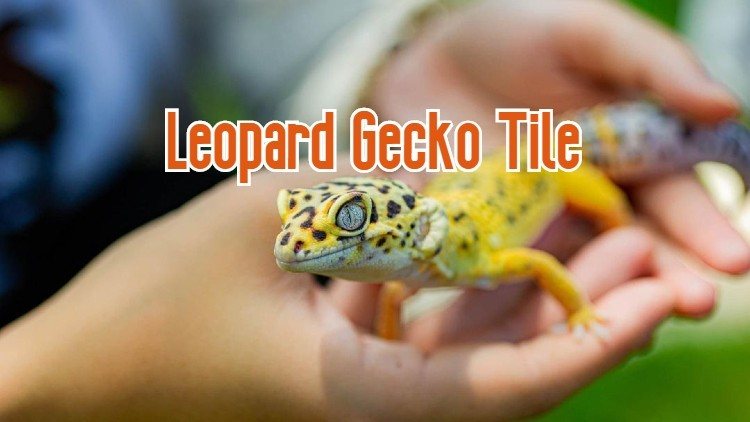 Tile As A Substrate For Leopard Geckos Leopard Gecko Cage, Leopard Gecko Setup, Leopard Gecko
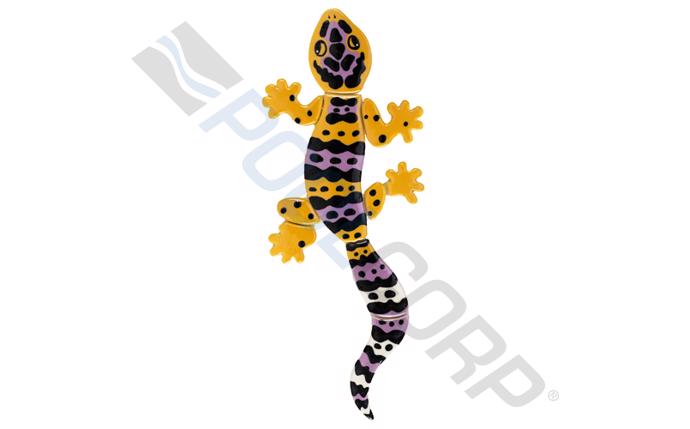
POOL360 | 12" X 5" Traditional Leopard Gecko Pool Tile
Tile As A Substrate For Leopard Geckos Leopard Gecko Cage, Leopard Gecko Setup, Leopard Gecko
POOL360 | 12" X 5" Traditional Leopard Gecko Pool Tile
 Leopard Gecko Tile - Best, Most Recommended Substrate That Replicates Their Natural Environment
 Basic Leopard Gecko Tank Setup - Leopard Gecko Care | Leopard Gecko Tank, Leopard Gecko Habitat
Leopard Geckos Terrarium Made W/Styrofoam Etc Covered W/tile Grout Mix. Smooth Out Then Paint
Basic Leopard Gecko Tank Setup - Leopard Gecko Care | Leopard Gecko Tank, Leopard Gecko Habitat
Leopard Geckos Terrarium Made W/Styrofoam Etc Covered W/tile Grout Mix. Smooth Out Then Paint
 New To Geckos But This Is My DIY Leopard Gecko Habitat I Just Completed. : Geckos | Leopard
 Leopard Gecko Tile Coaster By Cafepets
 Getting My First Leopard Gecko Soon, Do You Guys Think This Tile Is Good For The Floor
 Image Result For Leopard Gecko Tile | Bearded Dragon Habitat, Bearded Dragon Enclosure, Bearded


Comments
Post a Comment