Leucistic Albino Leopard Gecko
If you're looking for a unique and stunning pet, the Albino Leucistic Leopard Gecko might just be the perfect choice for you. These fascinating reptiles are not only visually striking but also make excellent companions for reptile enthusiasts. Let's explore the captivating world of Albino Leucistic Leopard Geckos, including their appearance, behavior, care requirements, and more.
Stunning Appearance of Albino Leucistic Leopard Geckos

The Albino Leucistic Leopard Gecko is easily recognizable by its striking appearance. Unlike typical leopard geckos, they possess a mix of beautiful hues of white, yellow, and orange, which gives them a bright and glossy appearance. Their unique color patterns make them a popular choice among reptile enthusiasts and collectors.
Color Variations
While the base color of the Albino Leucistic Leopard Gecko is predominantly white and cream, they can also exhibit variations that include shades of yellow and orange. These color variations occur due to selective breeding practices aimed at enhancing specific traits. Each gecko is often uniquely patterned, making them even more special.
Size and Build
Adult Albino Leucistic Leopard Geckos typically reach lengths of 7 to 10 inches. They have a sturdy, stocky body build which contributes to their charming appearance. Their large heads feature expressive eyes, which can range from dark to vibrant hues, further adding to their beauty.
Behavior and Temperament

One of the best attributes of the Albino Leucistic Leopard Gecko is their laid-back and gentle temperament. Unlike many other reptile species, these geckos are known for being handleable and social, making them perfect pets for both beginners and experienced herpetologists.
Social Creatures
Albino Leucistic Leopard Geckos are generally solitary but can be kept in groups if introduced correctly. When housed together, it’s essential to ensure that there are enough hiding spots to reduce stress and avoid territorial disputes. Watching them interact can be fascinating, as they display various social behaviors such as climbing, exploring, and occasional playfulness.
Handling and Interaction
These geckos are typically calm and easy to handle. When introducing your gecko to handling, it’s important to do so gently. Start by letting them get accustomed to your presence before slowly picking them up. With time, they will likely enjoy the interaction, and you’ll build a trusting relationship with your new pet.
Care Requirements for Optimal Health
Caring for an Albino Leucistic Leopard Gecko is relatively simple, but there are essential aspects to keep in mind to ensure they thrive in captivity. Providing a suitable habitat, nutrition, and regular check-ups can make a significant difference in their quality of life.
Ideal Habitat Setup
Your gecko’s habitat should replicate its natural environment as closely as possible. A secure terrarium or glass tank with proper ventilation is ideal. Use a substrate that's safe for them, such as reptile carpet or paper towels, and avoid loose substrates that could cause impaction.
Temperature and Humidity
Maintaining the right temperature gradient is crucial for your gecko's health. The warm side of the enclosure should be kept at around 88-92°F, while the cooler side can be around 75-80°F, ensuring they can regulate their body temperature. A heat pad or ceramic heat emitter works well. Humidity levels should be kept around 30% to 40%, as leopard geckos are less tolerant of high humidity.
Feeding and Diet
Albino Leucistic Leopard Geckos are insectivores, primarily feeding on live insects. Crickets, mealworms, and waxworms are popular dietary choices. It's essential to dust their food with calcium and vitamin supplements to promote healthy growth and maintain their nutritional balance. Feeding frequency varies based on age, with younger geckos needing more frequent meals compared to adults.
Health Considerations
Regular health check-ups and observant care are essential in ensuring your Albino Leucistic Leopard Gecko stays in peak condition. Familiarizing yourself with common health issues can help you identify potential problems early.
Common Health Issues
Some health issues that may affect leopard geckos include metabolic bone disease, skin infections, and parasites. Metabolic bone disease usually arises from insufficient calcium and UVB light. Regular veterinary check-ups and a proper diet can help mitigate these risks.
Signs of Illness
Keep an eye on your gecko's behavior and appearance. Signs of illness can include lethargy, abnormal shedding, swelling, or changes in appetite. If you notice any of these symptoms, consult an experienced reptile veterinarian for guidance.
In summary, owning an Albino Leucistic Leopard Gecko can be a rewarding experience. With their stunning appearance, amiable temperament, and manageable care needs, they are a great choice for both novice pet owners and seasoned reptile lovers. By ensuring that they have a comfortable habitat, a balanced diet, and routine health checks, you can enjoy the company of your gecko for many years to come.
10 Pictures Related to Leucistic Albino Leopard Gecko
Albino Leucistic Leopard Gecko – Babies – Strictly Reptiles Inc.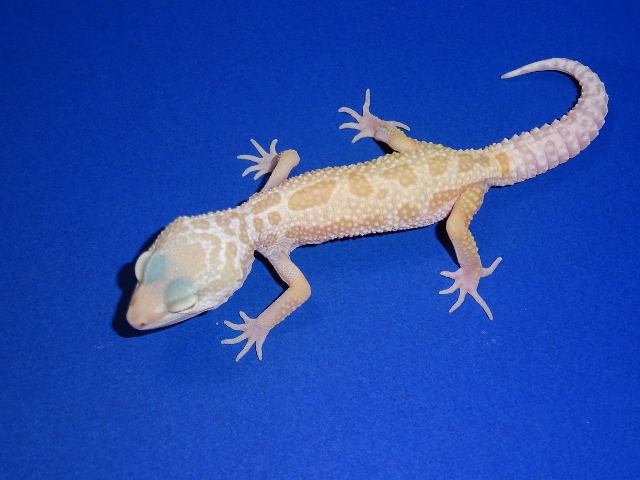 Albino Leucistic Leopard Gecko – Reptile Pets Direct
 Картинки по запросу Leucistic Flying Gecko | Рептилии, Фотографии животных, Милые животные
 Albino Leucistic Leopard Gecko - Adult Males - Strictly Reptiles Inc.
Albino Leucistic Leopard Geckos (Eublepharis Macularius) For Sale - Underground Reptiles
Albino Leucistic Leopard Gecko - Adult Males - Strictly Reptiles Inc.
Albino Leucistic Leopard Geckos (Eublepharis Macularius) For Sale - Underground Reptiles
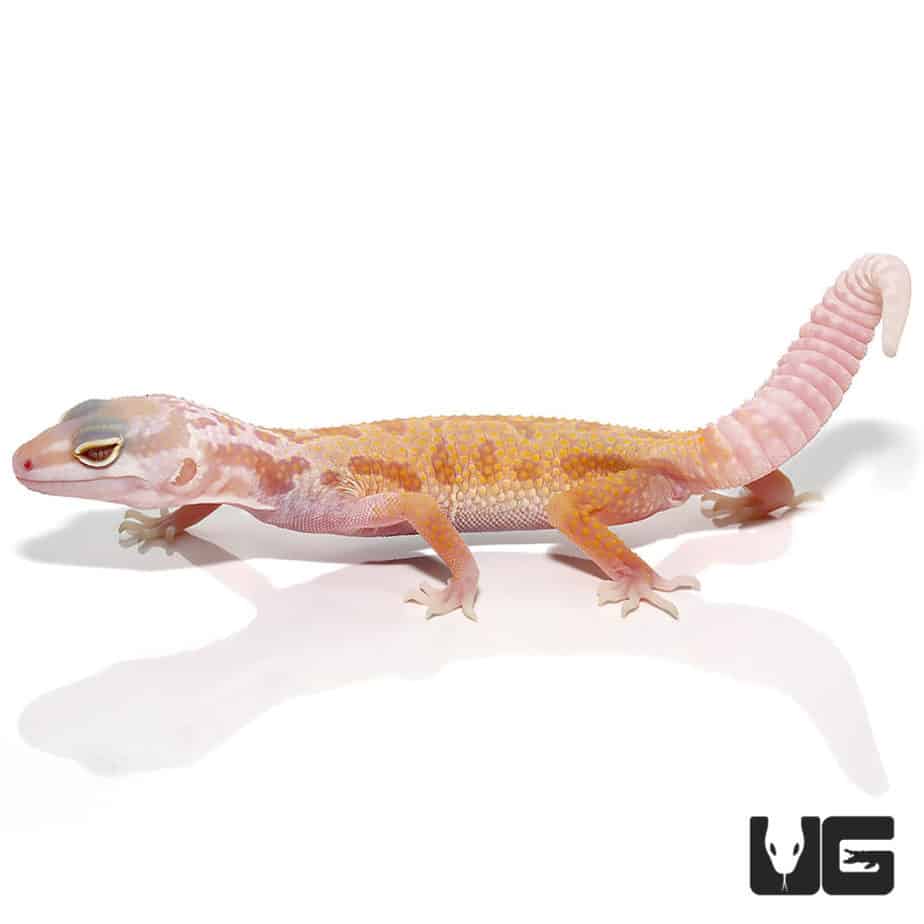 Juvenile Mack Super Snow Albino Leucistic Leopard Geckos (Eublepharis Macularius) For Sale
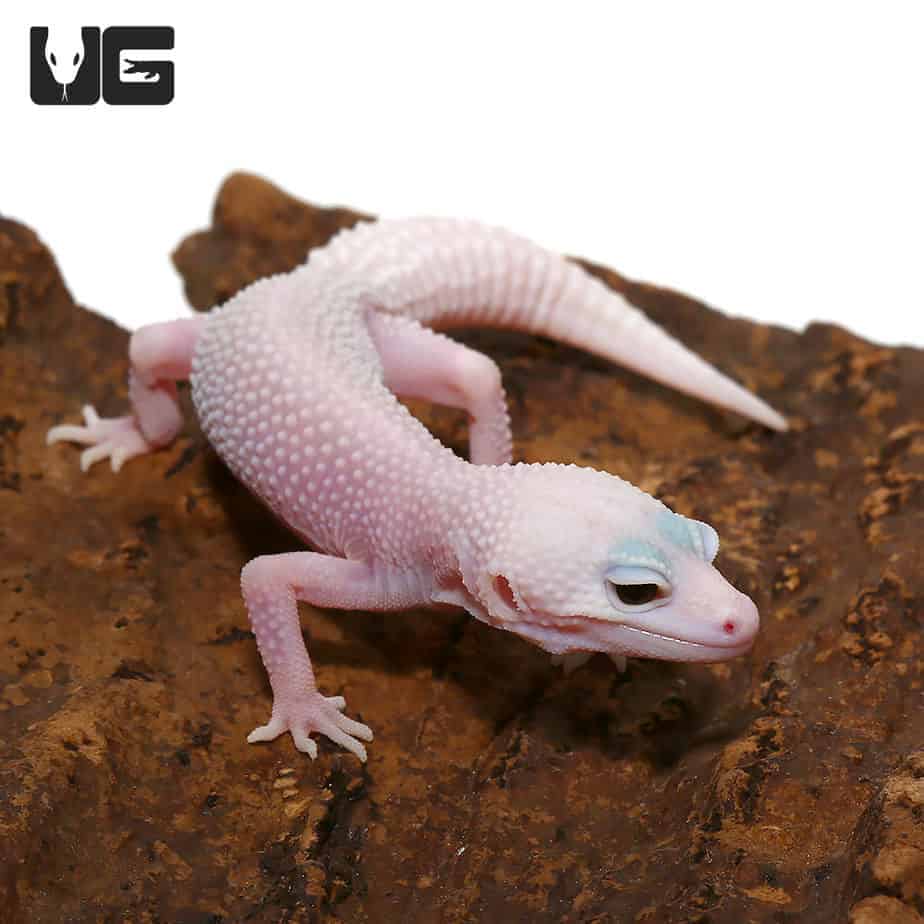 CB Mack Snow Albino Leucistic Leopard Geckos Are Patternless With Red Or Pink Eyes, Which Are
 Albino Leucistic Leopard Gecko
 Albino Leopard Geckos For Sale
 Albino Leucistic Leopard Gecko For Sale | Reptiles For Sale


Comments
Post a Comment